The Life of a Saint
THE EARLY YEARS
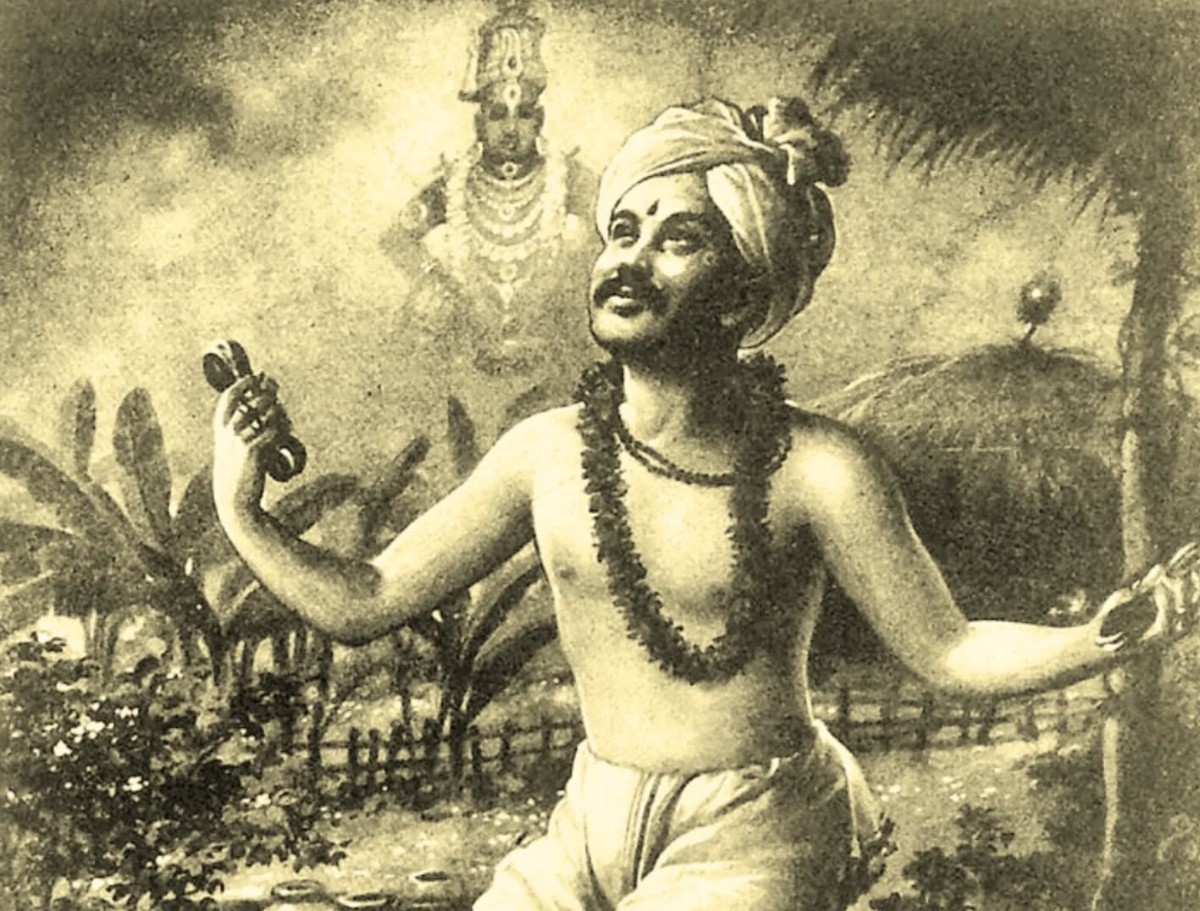
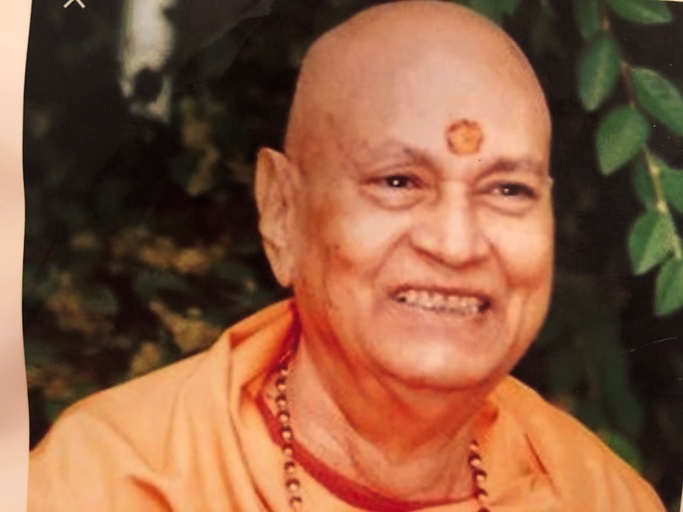
He was born Ambika Prasad to a family of devout Brahmins. While other children were absorbed in ordinary play, his heart was quietly pulled toward scripture, devotion, and the sound of the Divine Name. Once, while visiting a temple, he had a divine vision of travelling with the Lord on Garuḍa Vimāna. The Lord blessed him, and he became even more focused on spiritual pursuits and the company of saints.
MEETING HIS GURU
After his studies, beside the sacred flow of Mother Ganga, Ambika Prasad found his Guru: Swami Vedavyasananda. There, he was accepted as a disciple and received sannyāsa dīkṣā. With this blessing, he offered his old life at the feet of the Guru, and he became Swami Satyamitranand Giri. The name itself feels like a prayer: Satya — truth Mitra — friend Ānanda — bliss A friend of truth. The bliss of being such a friend.
CHOOSING SERVICE
At the young age of 27, he was installed as Śaṅkarācārya. It was one of the highest seats of spiritual honour. But ten years later, he renounced even that title. Not because he rejected dharma, but because he felt called to a higher dharma. As Śaṅkarācārya, he could not travel to spread the truth of Sanatana Dharma, and this was his calling. For five decades, he traveled the world teaching and establishing centers of worship.
HIS VOICE
Those who heard him speak remembered the sweetness of his words. He would begin with the glory of the Name. He spoke of Rāma-nāma, satsang, remembrance of God, and the joy of devotees inspiring one another. His bhakti was not sentimental. It was deep, scriptural, and alive.
HIS MESSAGE
Swami Ji taught samanyaya - harmony. He wanted dharma to bring hearts together. Not caste against caste. Not language against language. Not region against region. He saw Sanātana Dharma as a vast shelter where love, wisdom, service, and devotion could live together.
BHARAT MATA
On the banks of Mother Ganga in Haridwar, he founded a tribute to this vision: Bharat Mata Mandir, the Temple of Mother India. Four floors of tribute to India and her heroes, saints, and gods. It was not just a temple but a vision. A temple for the unity of India. A temple for gratitude. A temple where love for the Divine also became love for the land, the people, and the whole human family.
TEACHING IN ACTION
Swami’s devotion did not stay confined to prayer halls. It flowed into service. Through his work, poor, tribal, and hill communities received support, education, and medical help. This was his teaching in action: when the heart truly remembers God, it cannot ignore the suffering of others.
HIS LEGACY
Swami Satyamitranand Giri Ji Maharaj left behind more than the institutions he built. He left behind a way of living: Remember God. Honour the saints. Serve the poor. Protect dharma. Unite hearts. See the Divine in all. His life reminds us that bhakti is not only tears before God, but the courage to love the world as God’s own.