Dates in review
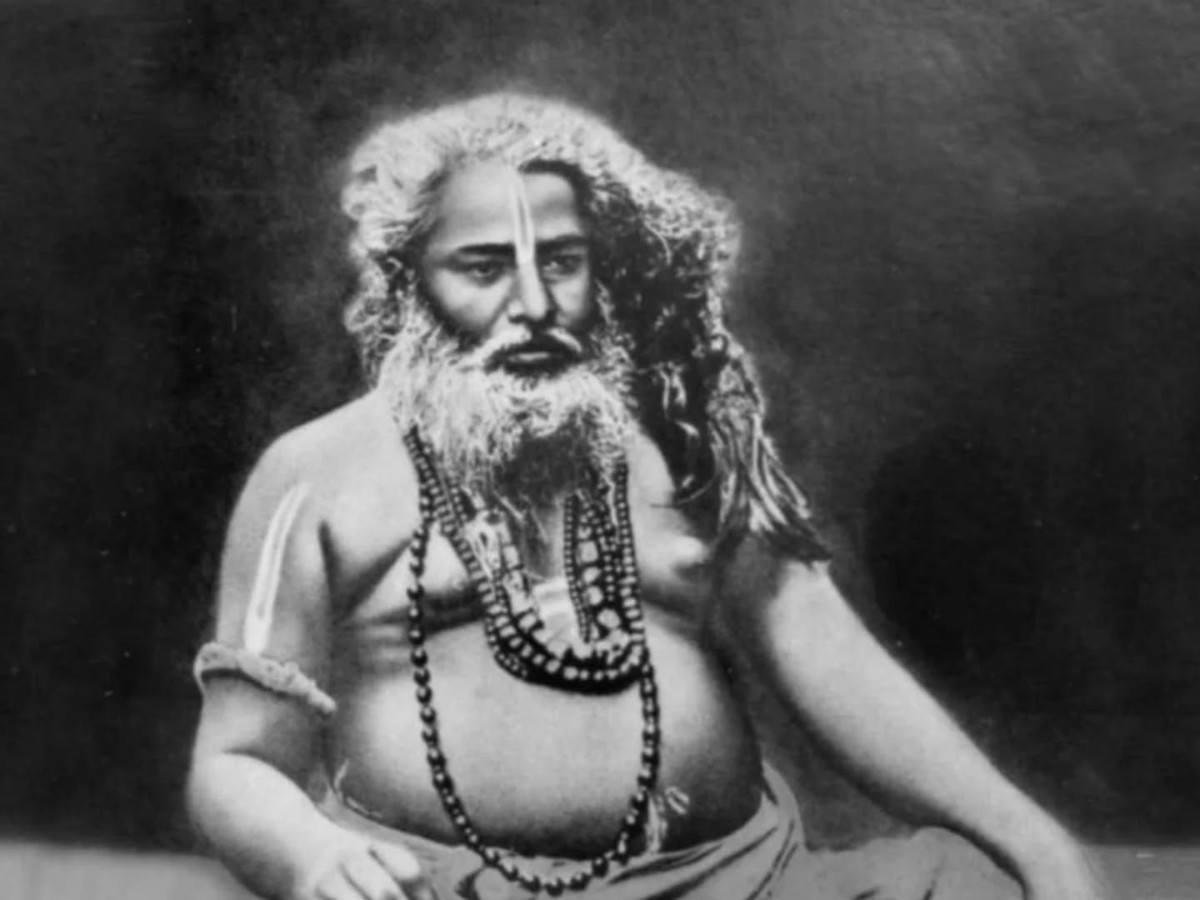
Sri Ramanujacharya was a revered acharya of the 11th-century and helped develop, systematize and spread the Sri Sampradaya. A pivotal Hindu philosopher and theologian, born into a Brahmin family to Kanthimathi and Kesava Somayaji. He studied in Kanchipuram under Yadava Prakasa but parted ways due to differing interpretations of ancient texts. Eventually, he embraced monastic life, becoming a priest at the Varadharaja Perumal Temple. A champion of spiritual equality, Ramanuja opposed caste-based discrimination and welcomed marginalized communities into the Sri Vaishnava Bhakti movement, calling them Tirukulattar (of noble descent). His inclusive views brought significant reform to temple practices, especially at Srirangam, where he allowed non-Brahmins to participate in worship. During a pilgrimage, his teacher Yadava, out of jealousy plotted to murder him. Warned by his cousin Govinda, Ramanuja escaped with help from a kind hunter couple, who he believed to be Shiva and Parvati themselves. Later, Yadava Prakasa repented and became his disciple. Ramanuja restructured the Srirangam Temple, established a network of Vishnu-Lakshmi temples, and influenced the Bhakti movement through debates, travels, and conversions in southern India. His key literary works include Sri Bhashya, Vedarthasangraha, and Gita Bhashya, along with other devotional texts. His teachings redefined Dharma as a universal path aligned with divine will, accessible to all regardless of birth. He emphasized Bhakti (devotion), ethical living, and service to others as the highest spiritual ideals. He also outlined a 7-step discipline called Sadhana Saptaka, focusing on purity, detachment, steady practice, duty, equanimity, and calmness.