Profile notes
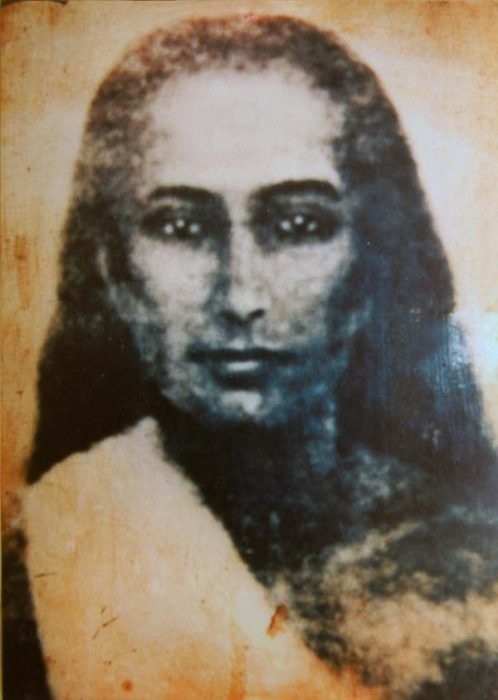
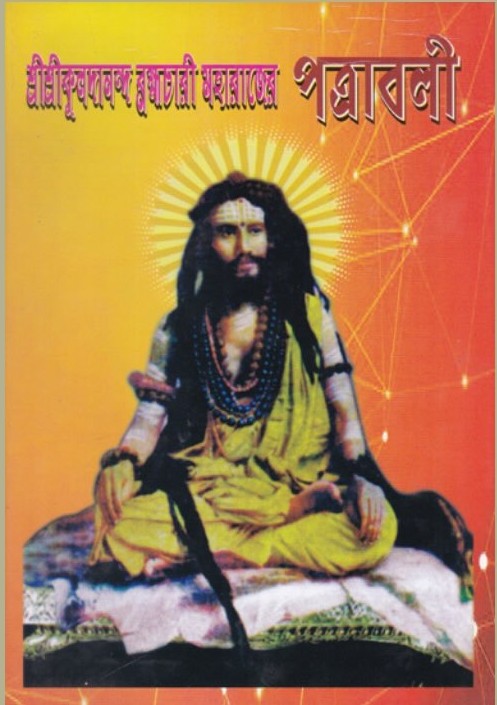
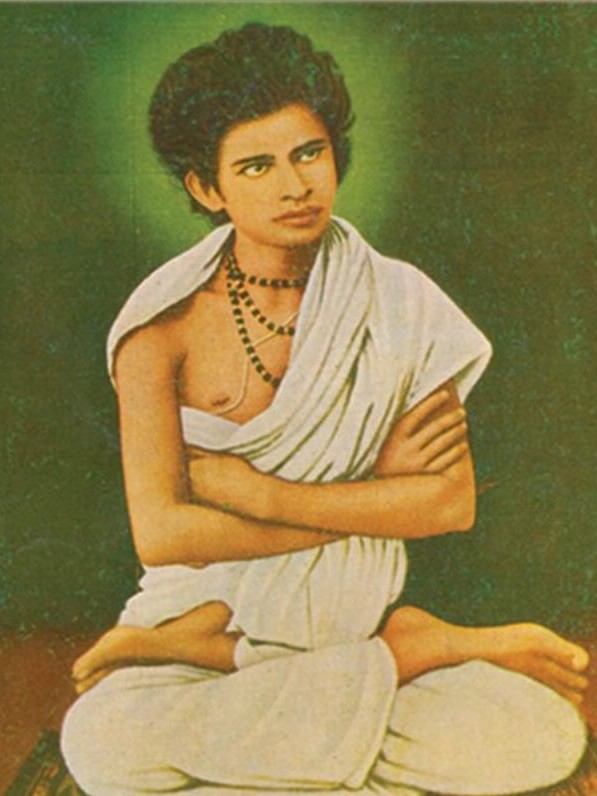
Prabhu Jagadbandhu moved through Bengal like a quiet flame, mysterious, radiant, and impossible to ignore. Born in 1871 in the village of Dahapara, Murshidabad, he showed signs of deep spirituality from childhood. He disappeared into meditation and ecstatic devotion to Krishna, often losing himself completely in divine contemplation. To his followers, Jagadbandhu was more than a saint; he was a living expression of divine consciousness. He spent much of his life in seclusion, yet his silence spoke louder than sermons. People came to him searching for answers and left carrying the unsettling feeling that God might truly live within every being.
At the heart of his teaching was bhakti: pure devotion, and nama-sankirtan, the chanting of God’s name. Inspired by the tradition of Sri Chaitanya Mahaprabhu and Gaudiya Vaishnavism, Jagadbandhu believed that liberation was not found through power or scholarship, but through love. Chanting was not ritual for him; it was transformation, a way for the soul to dissolve into the divine.
From this vision emerged the Mahanam Sampraday, a spiritual movement devoted to congregational chanting as a path to enlightenment. Yet Jagadbandhu’s message reached beyond religious boundaries. He taught that all faiths pointed toward the same truth and urged people to recognize divinity in every human being, regardless of caste, creed, or status.
Jagadbandhu left his mortal body in 1921, but his presence never truly vanished. His teachings continue to echo through devotional gatherings, temples, and the living tradition of the Mahanam Sampraday. His life remains a reminder that spirituality is not escape from the world, but a deeper way of seeing it, through compassion, surrender, and the fierce, transformative power of divine love.