The Life of a Saint
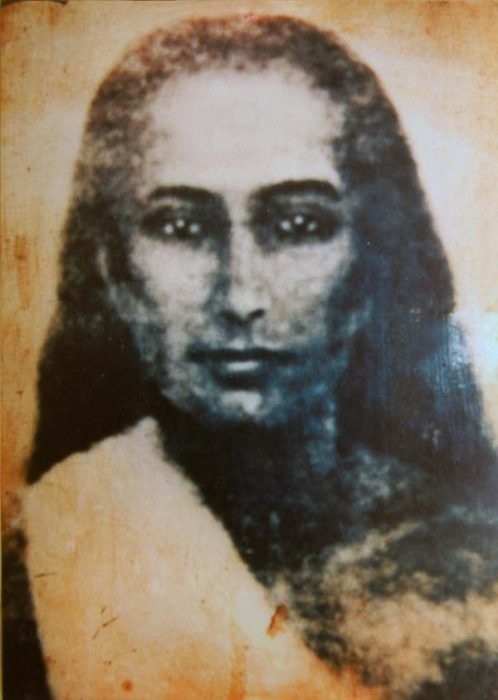
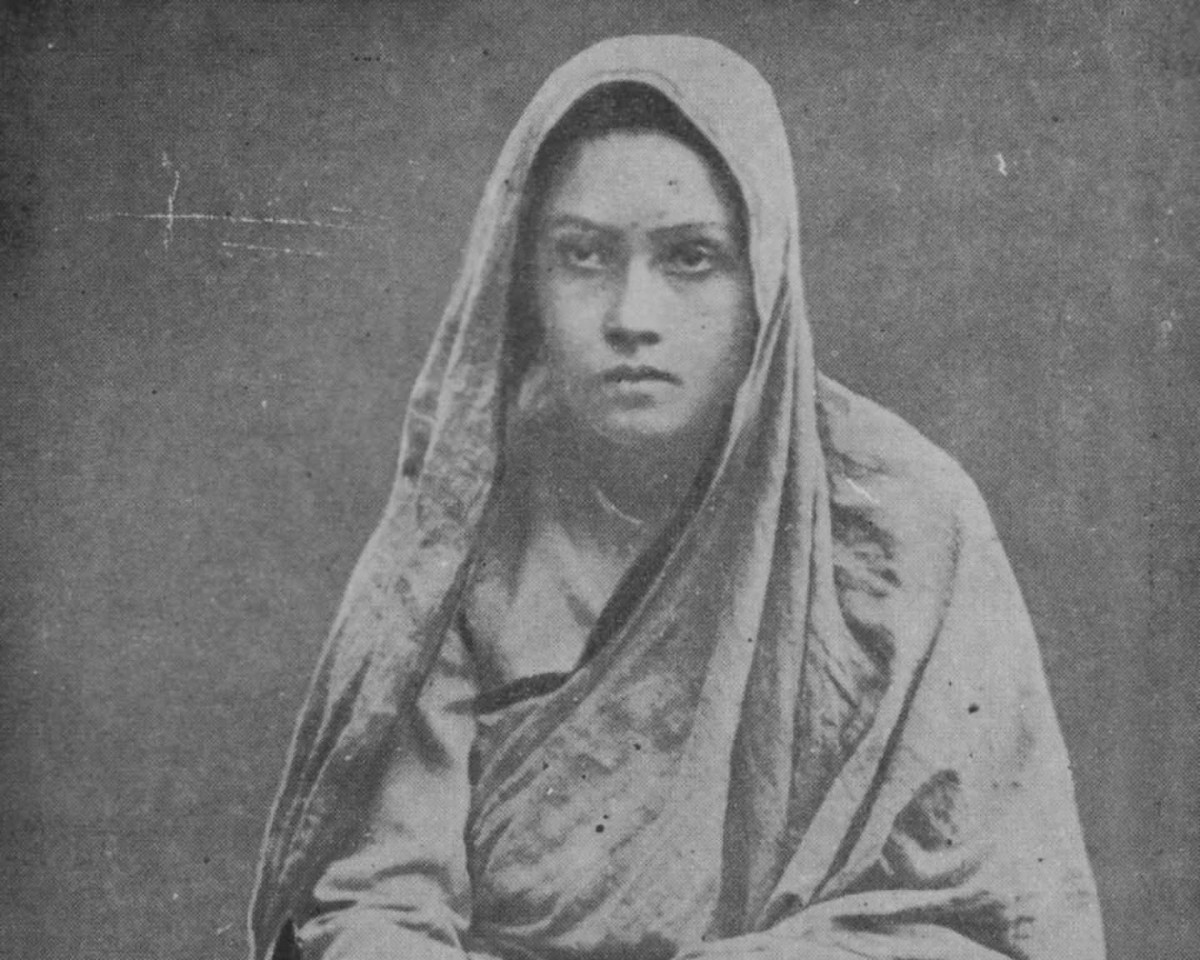
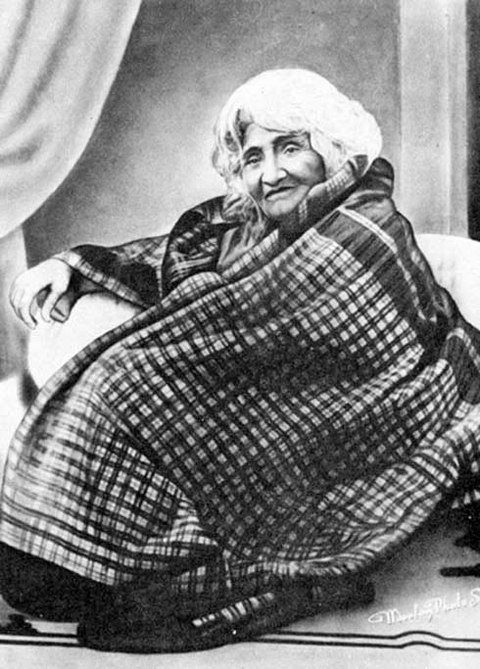
Sri Hazrat Babajan was born in Balochistan to a royal Muslim family. Blessed with beauty and grace, she was nicknamed Gul Rukh (“rose-cheeked”). Though she lived in luxury, her heart yearned for God from childhood. She memorized the Quran, mastered several languages, and spent her time in prayer rather than play.
When pressed into marriage, she refused - she had already chosen her true Beloved as God. At 18, on her wedding day, she fled her home, never to return, beginning her lifelong spiritual journey in search of Divine Union.
Wandering barefoot, Babajan traveled through Peshawar and Rawalpindi, crying for a glimpse of her Beloved. Her longing appeared as madness to others, but it was divine intoxication. After intense sadhana in a cave near Rawalpindi guided by a Hindu satguru, she met Maula Shah, a Muslim saint in Multan. At 37, through his grace, she attained God-realization, crying out in bliss, “Anal Haqq – I am Truth!”
For some time, she lost all consciousness of the universe and herself. In this state, she traveled back to the northern regions, drawn again to Rawalpindi and her previous satguru. After spending several years with her satguru, through His Grace, Babajan regained consciousness of the universe of duality and was transformed into a Perfect Master.
As one of the five Perfect Masters, Babajan traveled widely across the Middle East and India. She disguised herself as a man to journey to Mecca, serving the poor, nursing the sick, and visiting Medina. She also traveled to Syria, Iraq, Lebanon, and back through Punjab and Nasik in India. Eventually she came to Bombay, where her spiritual authority was felt strongly. Known for her powerful presence, she transcended gender and social roles. Her glance carried immense strength, and she lived simply, often wandering barefoot, clothed humbly, and detached from worldly comforts. In her later years, Babajan settled in Pune, living under a neem tree in the Char Bawdi area. Though she had once been a princess, she now lived like a fakir — with ragged clothes, little food, and total freedom from possessions.
Crowds gathered daily, drawn by her radiant presence. Over time, the neglected area around her tree blossomed into a thriving neighborhood, transformed by her spiritual influence. She attracted Hindus and Muslims, aristocrats and beggars alike. Her seat under the neem tree became a sacred center of devotion. Not everyone was immediately taken with Babajan.
While in Rawalpindi, immersed in God-consciousness, she boldly proclaimed her divine authority: “I created the universe; I am the creator of everything.” Unable to grasp her state of unity with God, a group of Baluchi soldiers grew enraged, deeming her a threat to Islam. They attacked her, buried her alive in a pit, and left her to die—but she survived. Years later, during World War I, the same regiment encountered Babajan in Pune, seated under her neem tree. Awestruck, their former fanaticism dissolved into reverence, and they became her devoted visitors.
Hazrat Babajan had no formal doctrine, nor did she belong to any Sufi order. She taught indirectly, through presence, cryptic utterances, and the example of her life. She emphasized living simply, detached from possessions, offering whatever one had to God. She sidestepped religious boundaries, expressing truths beyond both Vedanta and Sufism. She lived as a fakir, refusing gifts and material wealth, walking briskly into old age. Her only consistent message was union with the Divine Beloved, expressed in ecstatic states, often through brief but profound words that revealed her God-consciousness.
Babajan played a pivotal role in the spiritual unfolding of Meher Baba, who became her beloved spiritual son. When he was 19, he frequently visited her under the neem tree. One evening, she unexpectedly kissed his forehead, transferring her immense spiritual energy into him. Through Babajan’s grace, Meher Baba inherited the spiritual current of her realization. Overwhelmed, he lost normal consciousness and was plunged into Divine states. This event set him on the path to becoming a great spiritual master himself. Meher Baba named Babajan as one of the five Perfect Masters of the age, referring to Narayan Maharaj, Tajuddin Baba, Shirdi Sai Baba, and Upasani Maharaj as the other four.
In September 1931, Hazrat Babajan’s health declined following an operation on her finger. A few days before her passing, she hinted at her departure, saying, "It is time ... time for me to leave now. The work is over ... I must close the shop." When her devotees pleaded with her to stay, she replied, "Nobody, nobody wants my wares. Nobody can afford the price. I have turned my goods over to the Proprietor."
On 21 September, she attained Mahasamadhi at Char Bawdi, Pune. Her funeral, attended by thousands of Hindus and Muslims, reflected her universal appeal. A white marble dargah was later built under her beloved neem tree, its trunk piercing the rooftop. Today, her shrine remains a sacred site visited by people of all faiths.