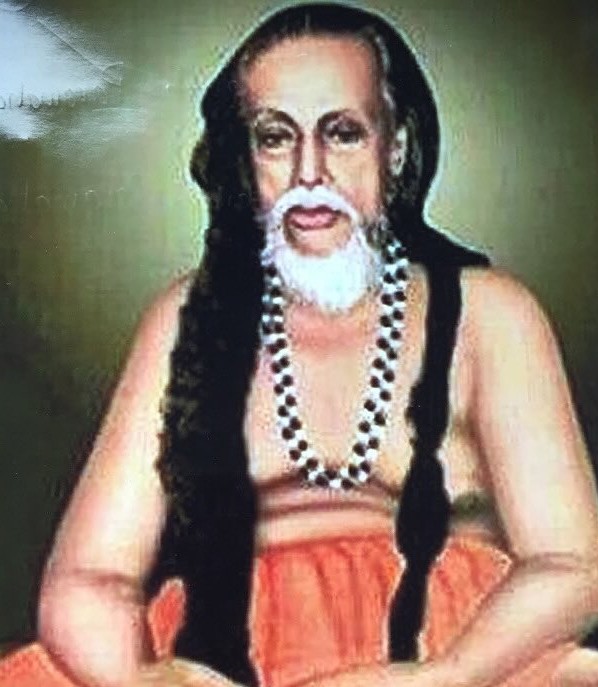
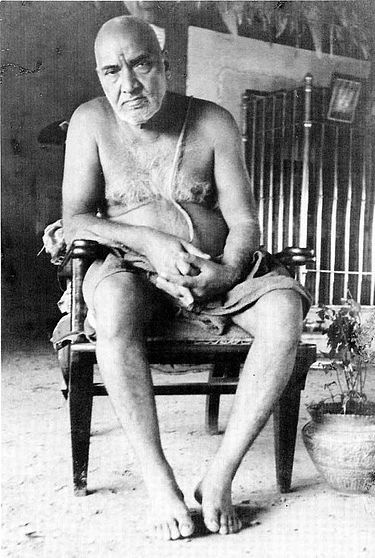
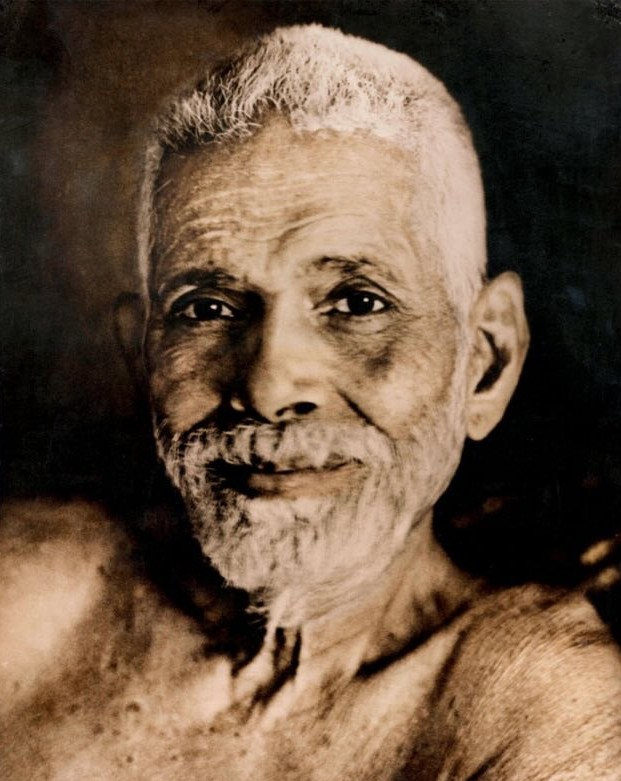
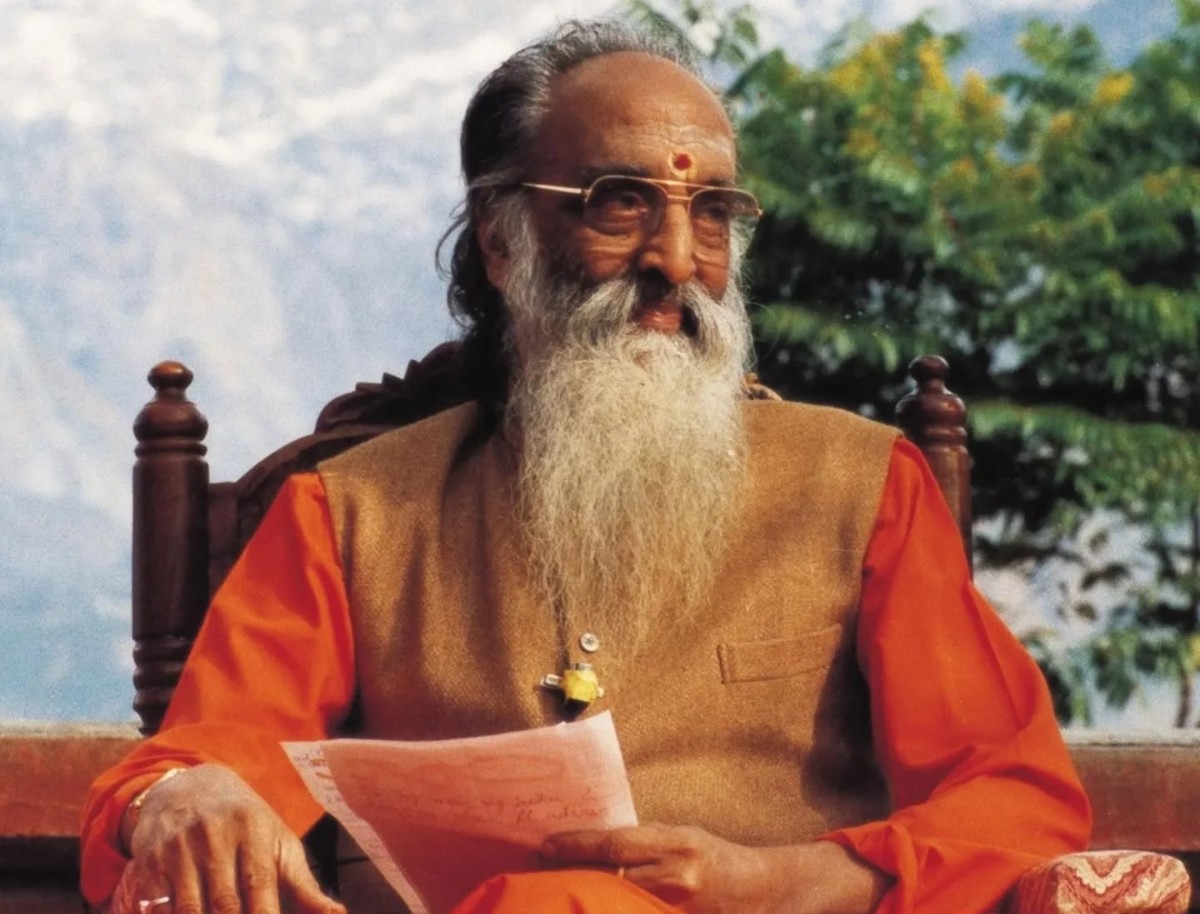
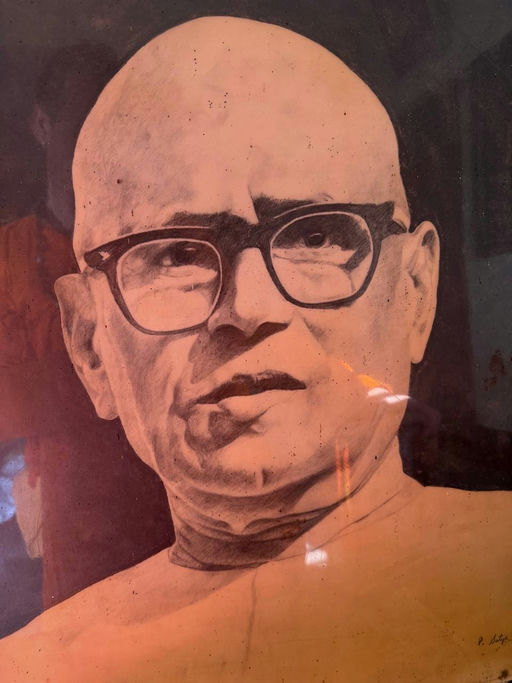
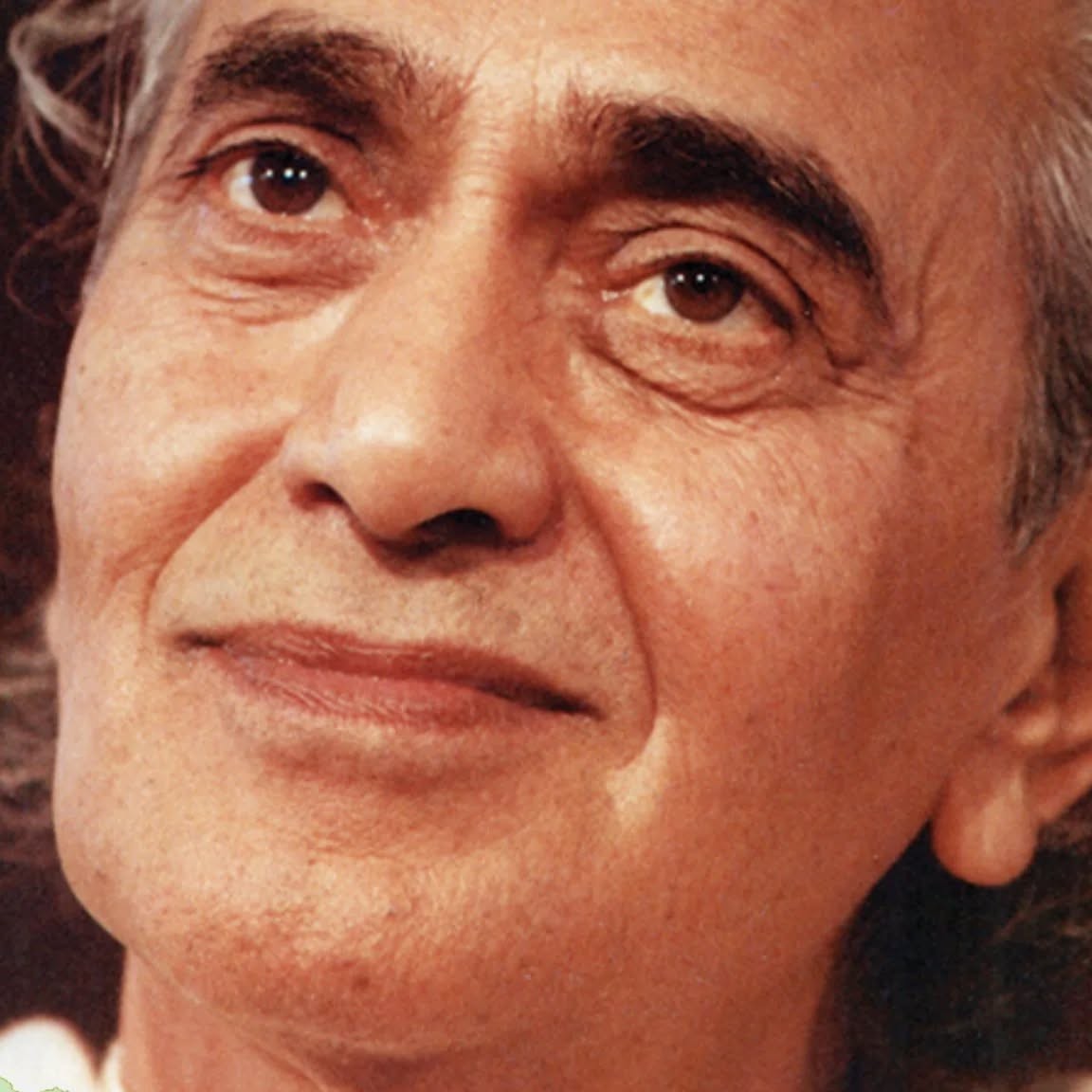
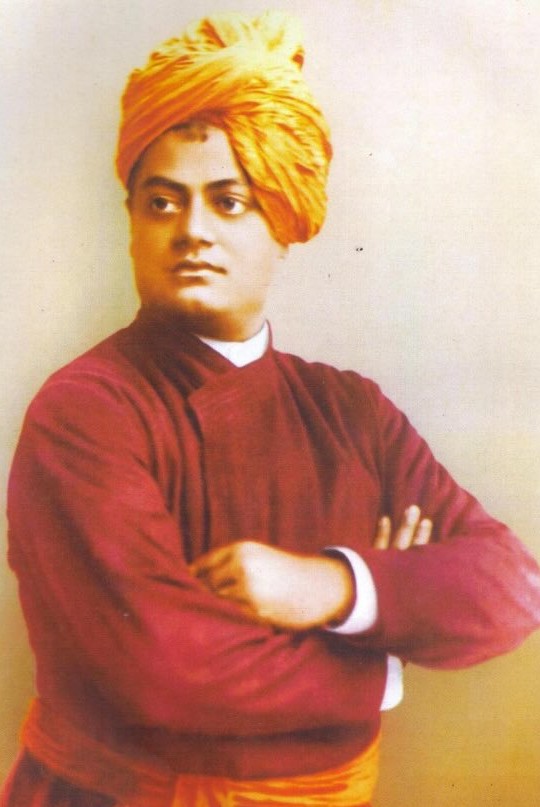
Śrī Upasani Baba Maharaj, born Kashinath into a devout Brahmin family steeped in Vedic ritual, turned early from worldly life toward prayer, austerity, and fierce discipline. Prolonged austerities led him into a deep samādhi mistaken for death, marking a decisive inner crossing. Saints across Maharashtra recognized his attainment and sent him onward to Śrī Sai Baba of Shirdi. At first sight he surrendered completely, he obeyed Sai Baba’s command to sit in silence at the Khandoba temple, performing no rituals. Kashinath emerged as Śrī Upasani Baba Maharaj. In 1917 he settled at Sakori on a cremation ground, founding the Śrī Upasani Kanya Kumari Sthān. Defying convention, he trained women in Sanskrit, Vedic chant, and yajñas. Seen by many as an avatāra, he guided countless seekers, including Meher Baba.
Śrī Upasani Baba Maharaj, born Kashinath into a devout Brahmin family steeped in Vedic ritual, turned early from worldly life toward prayer, austerity, and fierce discipline. Prolonged austerities led him into a deep samādhi mistaken for death, marking a decisive inner crossing. Saints across Maharashtra recognized his attainment and sent him onward to Śrī Sai Baba of Shirdi. At first sight he surrendered completely, he obeyed Sai Baba’s command to sit in silence at the Khandoba temple, performing no rituals. Kashinath emerged as Śrī Upasani Baba Maharaj. In 1917 he settled at Sakori on a cremation ground, founding the Śrī Upasani Kanya Kumari Sthān. Defying convention, he trained women in Sanskrit, Vedic chant, and yajñas. Seen by many as an avatāra, he guided countless seekers, including Meher Baba.